

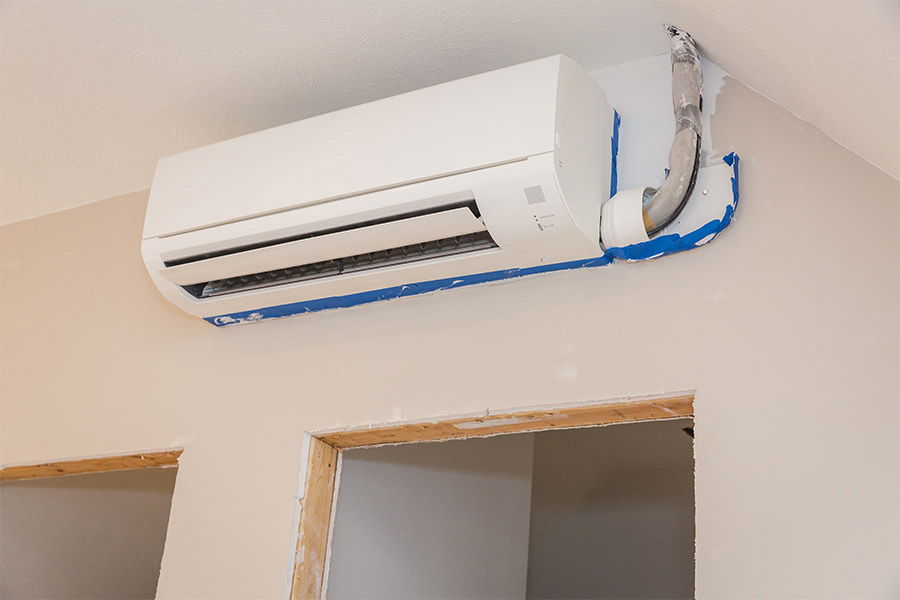
When a ductless mini split starts pushing warm air instead of cool, it is rarely a minor inconvenience. For homeowners in Belen, NM, where summer temperatures along the Rio Grande Valley regularly climb into the mid- to upper nineties, a malfunctioning mini-split can make living spaces genuinely uncomfortable within hours. The causes behind this problem range from routine maintenance issues to more complex system failures, and knowing the difference helps homeowners make informed decisions about next steps.
This guide covers the seven most common reasons a ductless mini split blows warm air, what each condition means for the system, and when professional service is the right call. Homeowners across Belen dealing with cooling performance issues can also reach out directly to learn more about air conditioning services in Belen, NM.
Common Refrigerant Issues Causing Warm Air
Refrigerant is the working fluid that enables cooling. It absorbs heat from inside the home and releases it outside through a cycle of compression and expansion. When refrigerant levels drop, the heat transfer process becomes less effective, and the air coming out of the indoor unit gradually shifts from cool to lukewarm, or even warm.
Low refrigerant is almost always the result of a leak somewhere in the system. Common signs include ice formation on the refrigerant lines or evaporator coil, a hissing or bubbling sound near the unit, and a noticeable decline in cooling capacity even when the unit is running continuously. Refrigerant overcharge, though less common, is equally problematic and can disrupt the heat exchange cycle, causing performance issues.
Refrigerant work requires EPA certification and specialized equipment. This is not a DIY repair; adding refrigerant without finding and fixing the source of the leak only delays the problem. A certified technician can locate the leak, make the necessary repairs, and recharge the system to the manufacturer’s specified level. Prompt ductless mini split repair addresses these refrigerant issues at the root rather than treating symptoms.
Dirty Air Filters Impacting Your Mini Split’s Performance
Air filters in a ductless mini-split are the system’s first line of defense against dust, pollen, and other airborne debris. In Belen, where desert conditions and seasonal winds regularly push fine particulates into homes, filters can accumulate buildup faster than in more humid climates.
When filters become clogged, several things happen in sequence:
- Restricted airflow: The indoor unit cannot draw enough air across the evaporator coil, resulting in reduced heat absorption and cooling output.
- Coil freeze risk: In some conditions, restricted airflow can cause the coil to drop below freezing, temporarily blocking airflow entirely.
- Increased energy consumption: The system runs longer cycles to compensate, raising utility costs without improving comfort.
- Shortened system lifespan: Components under sustained stress wear out faster than they should.
Mini-split filters are typically accessible and designed for routine cleaning. However, if filters have been neglected for an extended period, a professional inspection is worthwhile to confirm that coil surfaces and internal components have not been affected by the accumulated buildup.
Recognizing the Signs
Homeowners can watch for early indicators before cooling performance deteriorates significantly. A musty odor from the indoor unit, unusual operating sounds, frequent on-off cycling, and rooms that no longer reach the set temperature are all signals worth acting on. Pairing filter maintenance with scheduled professional AC maintenance helps catch these issues before they affect system performance.
Are Your Thermostat Settings Misleading You?
Before assuming a mechanical problem, thermostat settings are always worth verifying. A mini split blowing warm air can sometimes result from an inadvertent mode setting change, particularly in households where multiple people use the remote or app controls.
Key things to confirm:
- Cooling mode is active: Mini splits typically have separate modes for cooling, heating, fan-only, and dry. If the unit is switched to heating mode, it will produce warm air regardless of the temperature setting.
- Set temperature is appropriate: If the target temperature is set above the current room temperature, the system may not activate the cooling cycle.
- Programming or scheduling conflicts: Some systems have scheduled temperature changes that can override manual settings at certain times of day.
- Battery status on the remote: A remote with low batteries can send incomplete or incorrect signals, causing erratic system behavior.
If thermostat settings check out but the problem persists, the issue is likely mechanical. For homes with older or malfunctioning thermostats, professional thermostat repair and installation can resolve control-related issues affecting the entire system.
Blocked Airflow From Obstructions or Debris
Ductless mini splits rely on unobstructed airflow at both the indoor and outdoor units to operate efficiently when that airflow is compromised at either end, cooling performance drops.
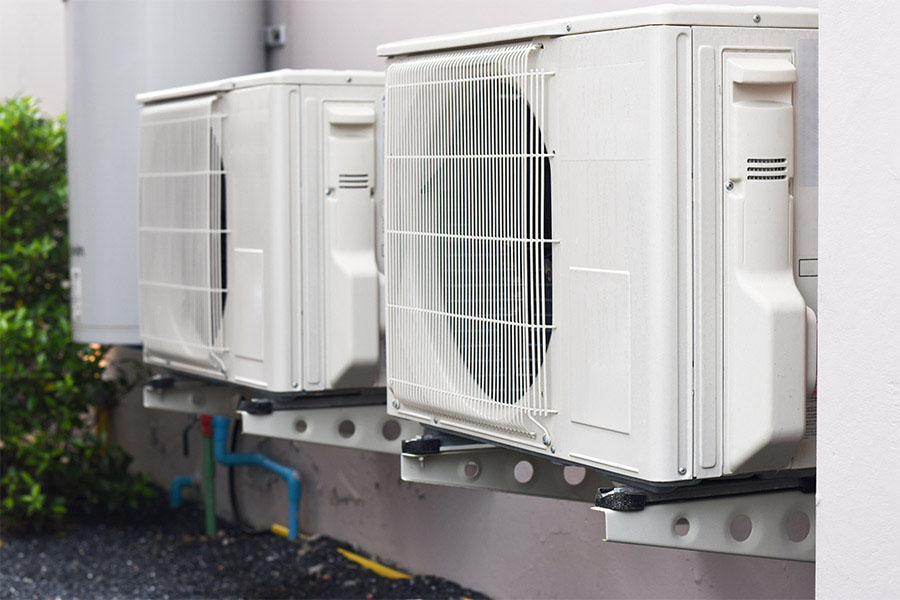
Indoor units mounted on walls near furniture, curtains, or shelving can have their air intake or discharge path partially blocked without homeowners noticing. The outdoor condenser unit is equally vulnerable, particularly in Belen’s desert environment, where dust accumulation, cottonwood debris during spring, and windblown material can build up on the coil fins and around the cabinet.
A blocked outdoor unit has to work harder to reject heat, which raises system operating pressure and forces the compressor to work beyond its design parameters. The result is reduced cooling output, higher energy consumption, and accelerated compressor wear, which is the most expensive component to replace.
Maintaining a clear perimeter around the outdoor unit and ensuring indoor units have adequate airflow are simple steps that support consistent performance throughout the cooling season.
Electrical Issues Affecting Your Ductless System
Electrical faults can disrupt a mini split in several ways, from complete shutdowns to intermittent performance problems that are harder to diagnose. Common electrical issues include:
- Faulty wiring or loose connections can prevent components from receiving a consistent power supply, leading to erratic behavior or failure to cool properly.
- Blown fuse or tripped circuit breaker: A tripped breaker cuts power to the unit entirely. If the breaker trips again shortly after being reset, there is an underlying electrical issue that needs professional evaluation.
- Capacitor failure: Capacitors support the startup and operation of the compressor and fan motors. A failing capacitor is one of the more common causes of a mini split that runs but does not cool.
- Control board malfunction: The system’s control board coordinates all operating functions. When it malfunctions, the unit may run in the wrong mode, fail to activate the compressor, or behave unpredictably.
Electrical diagnostics require the right test equipment and technical training. A certified technician can identify the specific fault and recommend the most cost-effective repair path.
Age and Maintenance Factors of Your Mini Split
Like any mechanical system, a ductless mini-split’s performance declines over time, particularly when routine maintenance is deferred. During our service calls throughout Belen and the surrounding communities of the middle Rio Grande Valley, aging mini splits with no maintenance history are among the most common sources of warm-air complaints during summer.
Key age and maintenance considerations include:
- Coil degradation: Both the indoor evaporator coil and the outdoor condenser coil develop surface fouling over time, reducing heat transfer efficiency.
- Refrigerant micro-leaks: Older systems may develop slow leaks through corroded fittings or deteriorated line connections, which go unnoticed until cooling capacity drops.
- Compressor wear: The compressor has a finite service life. As it ages, its ability to maintain the pressure differential needed for effective cooling gradually diminishes.
- Drain line blockages: Condensate drains can clog with algae or debris, which in some systems triggers a safety shutoff that prevents normal operation.
An annual professional maintenance visit addresses most of these factors before they become performance problems. Systems that receive consistent service reliably outlast those that do not.
When to Call a Professional for Help
Some ductless mini split issues respond to straightforward adjustments: a corrected thermostat setting, a cleaned filter, or a cleared obstruction around the unit. But when those steps do not resolve the problem, the underlying cause is almost certainly something that requires professional diagnosis and repair.
Call a certified technician when:
- The unit runs continuously without achieving the set temperature
- Ice is visible on the refrigerant lines or the indoor coil
- Unusual sounds, such as hissing, grinding, or clicking, accompany the operation
- The circuit breaker trips more than once after being reset
- Cooling performance has declined gradually over one or more seasons
Keeping Your Cool in Belen, NM with Pen Pals
A ductless mini split is one of the more efficient and flexible cooling solutions available for Belen, NM homes, but only when it is functioning correctly. Understanding the most common causes of warm air output helps homeowners respond quickly rather than waiting for the problem to worsen during the hottest part of summer.
Pen Pals Cooling Heating Plumbing offers honest, transparent diagnostics and no-pressure service recommendations. When your mini split isn’t performing as it should, contact our team today, and we will get to the bottom of it.