




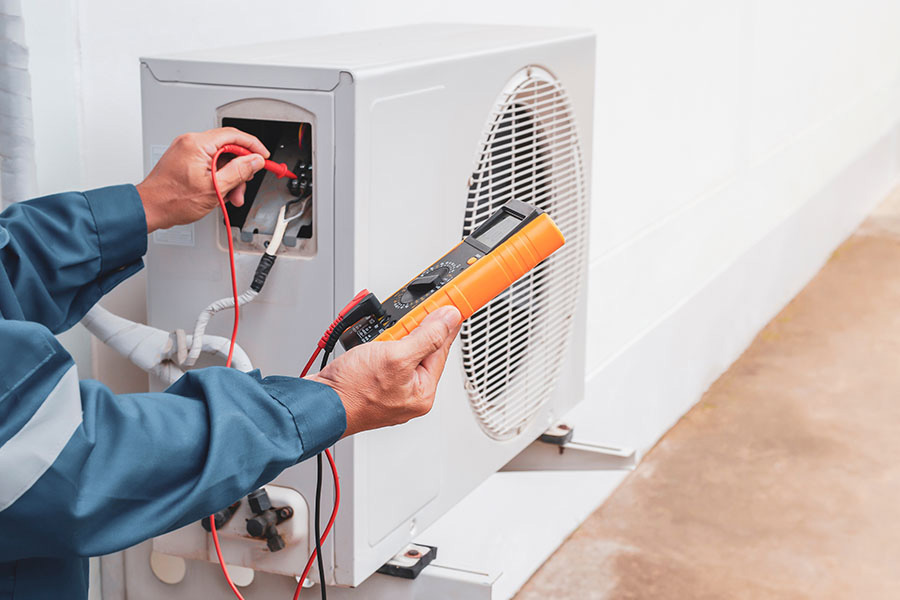
If you’re noticing higher energy bills or uneven cooling in your Placitas home, check your AC’s efficiency. Start by looking at the air filter and the ductwork, as these are common culprits for performance issues. You’ll also want to measure temperature differences throughout your space. Understanding these aspects can help you determine if your system is up to par or needs attention. Let’s explore the steps involved.
Signs of an Inefficient AC System
When your AC system struggles to keep your home cool, it’s not just a minor inconvenience; it could indicate inefficiency.
Some rooms feel warmer than others, which can signal uneven cooling. If your energy bills spike unexpectedly, that’s another red flag—an inefficient system often consumes more power.
Listen for unusual noises like grinding or squealing, as these can point to mechanical issues that hinder performance. Additionally, if your system runs continuously without reaching the desired temperature, it’s time to investigate further.
Frequent cycling on and off is also a sign that something’s amiss, as it shouldn’t constantly battle to maintain comfort. Addressing these signs early can save you from costly repairs down the line. Trust your instincts—if something feels off with your AC, don’t hesitate to seek professional help to restore efficiency and comfort in your home.
Checking the Air Filter Condition
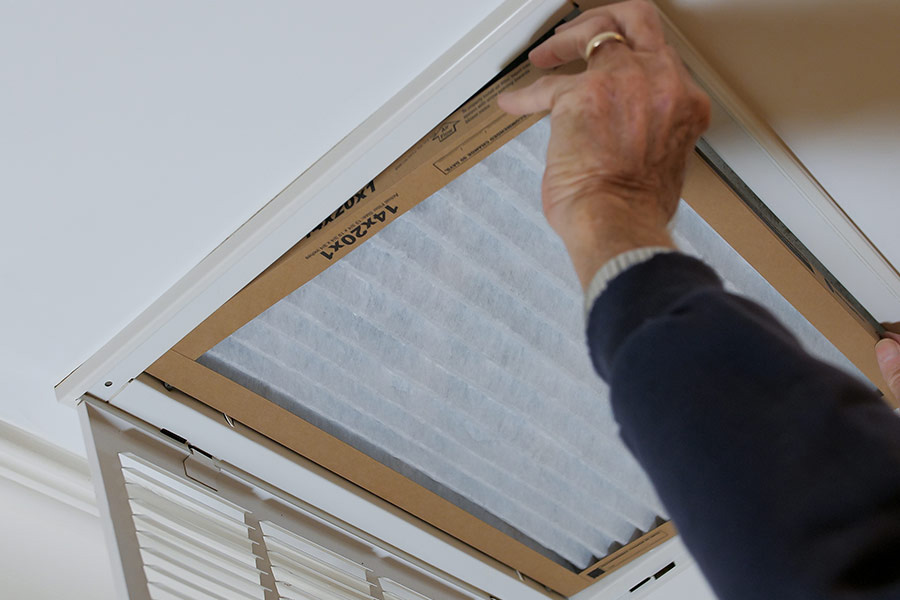
Addressing the signs of an inefficient AC system often brings you to the air filter. A dirty or clogged air filter restricts airflow, making your AC work harder and less efficiently.
The first step is to locate the filter—usually found in the return air duct or near the air handler. Once you’ve found it, check its condition. If it’s covered in dust and debris, it’s definitely time for a replacement.
In general, replace your air filter every one to three months, depending on usage and the type of filter. If you have pets or allergies, consider changing it more frequently.
A clean filter improves your AC’s efficiency and enhances indoor air quality. By keeping your air filter in good condition, you’ll help your system run smoothly, saving you money on energy bills and extending the life of your AC unit. Regular maintenance helps ensure your AC system is operating more efficiently, providing peace of mind during the hottest days.
Inspecting the Ductwork for Leaks
Inspecting your ductwork for leaks is essential because even small gaps can lead to significant energy loss and reduced efficiency in your AC system.
Start by visually examining your ducts for any signs of wear or damage, like holes or disconnected sections. You can also turn on your AC and feel for airflow around the duct joints—if it’s weak, you might have a leak.
Here are a few quick tips to make your inspection easier:
- Use a flashlight: Illuminate dark areas to spot potential leaks more easily.
- Listen for hissing sounds: This can indicate air escaping from the ducts.
- Check insulation: Damaged or missing insulation can signal hidden leaks.
Addressing any leaks you find can significantly enhance your AC’s performance, save you money, and keep your home comfortable. Regular maintenance ensures efficient operation, which helps prevent unexpected breakdowns during peak heat.
If you need help, consider contacting a professional for a thorough inspection.
Measuring Temperature Differences
Measuring temperature differences between the air entering and exiting your system is essential to gauge your AC’s efficiency.
Start by using a digital thermometer or a temperature gun. Measure the temperature of the air coming from your vents and then do the same for the return air near your AC unit.
Typically, a difference of about 15-20 degrees Fahrenheit indicates that your system works efficiently. If the difference is minor, your AC might struggle, signaling issues like low refrigerant levels or a dirty evaporator coil.
Be sure to measure on a hot day when your AC runs for accurate results. This simple method can help pinpoint potential problems early, ensuring your home stays cool and comfortable throughout the summer. Additionally, consider consulting with a professional for a comprehensive home assessment to evaluate your system’s overall performance.
Keep track of these readings over time to monitor any changes in your system’s performance.
Evaluating System Age and Maintenance History
Understanding your AC system’s age and maintenance history is essential when evaluating its efficiency, as these factors greatly impact performance.
Older systems lose efficiency over time, while well-maintained units can last longer and perform better. Check your system’s age; it might be time to contemplate replacement if it’s over 10-15 years old.
Here are some key points to contemplate:
- Maintenance Records: Look for service history; regular check-ups can prevent issues and extend lifespan.
- Previous Repairs: Frequent repairs may indicate an aging system becoming less reliable.
- Manufacturer’s Recommendations: Know the expected lifespan and efficiency ratings to gauge your system’s performance.
Conclusion
By regularly checking your AC system’s efficiency, you can save both energy and money. Did you know that a well-maintained air conditioning unit can operate up to 20% more efficiently? This not only keeps your home comfortable but also reduces your energy bills. So, take the time to inspect your air filter, ductwork, and temperature differences. Keeping an eye on these factors guarantees your AC runs smoothly and efficiently, especially in the warm Placitas climate.