




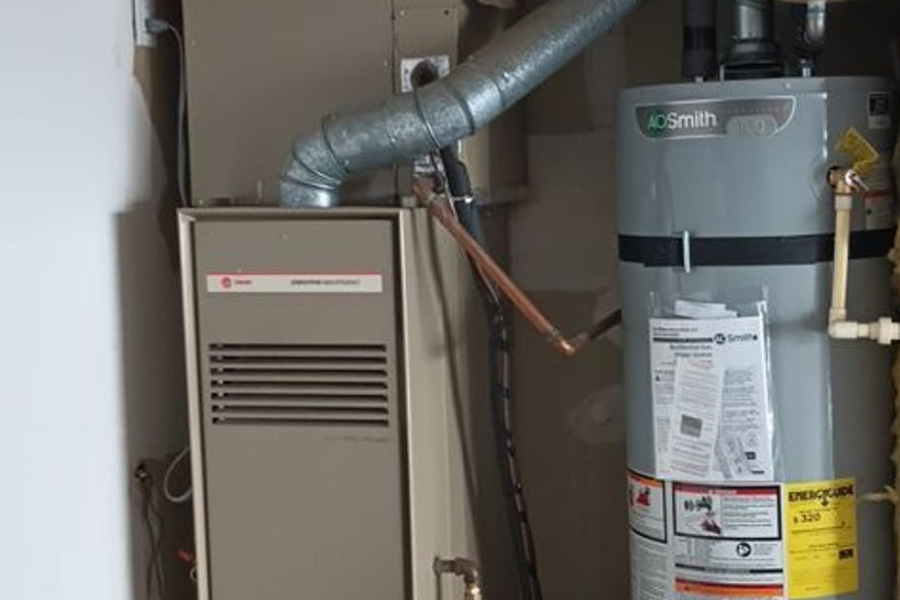
If you’ve noticed your heating system making strange noises or struggling to keep your home warm, it might be time to pay attention. Unusual sounds, inconsistent temperatures, and skyrocketing energy bills are all signs that repairs are necessary. Ignoring these warning signs could lead to more serious issues, impacting your comfort and budget. But how do you know when it’s genuinely urgent? Understanding the key indicators can help you take action before it becomes a costly problem. Let’s explore what to look out for.
Unusual Noises From the Heater
When your heater starts making unusual noises, it can signal underlying issues that need immediate attention. Clanging, rattling, or hissing sounds often indicate mechanical problems or airflow obstructions. For instance, a rattling noise might suggest loose components, such as screws or panels, which could lead to further damage if not addressed promptly.
Hissing sounds may indicate a gas leak or a problem with the heat exchanger, which can pose safety risks. If you hear a high-pitched whine, it could be a sign that the blower motor is struggling, which might cause inefficiency and increased energy bills.
It’s vital to act quickly. First, turn off the heater to prevent potential hazards. Next, inspect for visible issues, like loose panels or disconnected ducts. However, it’s best to consult a qualified technician for a thorough assessment. They can diagnose the problem accurately and recommend the appropriate repairs. By addressing these unusual noises early, you’ll guarantee your heater runs efficiently and contribute to a safer environment for those you serve. Remember, timely intervention can help extend the life of your heating system and maintain comfort for everyone in your home.
Inconsistent Heating Throughout the Home
Inconsistent heating throughout your home can be frustrating and may indicate underlying issues with your heating system. When certain rooms feel considerably colder or hotter than others, it’s time to investigate potential causes.
One common reason for uneven heating is blocked vents or ducts. Dust, debris, or furniture obstructing airflow can lead to temperature discrepancies. Regularly checking and cleaning your vents can help maintain consistent warmth.
Another possibility is a malfunctioning thermostat. If the thermostat isn’t calibrated correctly or is placed in an area that doesn’t reflect the overall temperature of your home, it may fail to regulate heating effectively. Consider relocating the thermostat or consulting a professional for recalibration.
Your heating system’s age and condition may also contribute to inconsistent heating. Older systems often struggle to distribute heat evenly due to wear and tear. If your heating unit is approaching the end of its lifespan, it’s wise to assess its performance and consider repairs or replacement.
Addressing these issues promptly can improve comfort and guarantee that your heating system operates efficiently, helping you effectively serve your household’s needs. Don’t wait until the problem worsens; take action when you notice these signs.
Increased Energy Bills
If you’ve noticed a spike in your energy bills, it could signal inefficiencies in your heating system. When your system operates inefficiently, it consumes more energy to maintain the desired temperature, leading to higher costs. Several factors could contribute to this inefficiency, including worn-out components, inadequate insulation, or clogged filters.
A well-functioning heating system should efficiently convert energy into heat without excessive waste. If you constantly adjust the thermostat or run your system longer than usual, it clearly indicates something’s amiss. You might also notice that your system struggles to reach ideal temperatures, which can further exacerbate energy consumption.
To address these issues, consider scheduling a professional inspection. Technicians can assess your system for potential problems, such as leaks in ductwork or issues with the thermostat. They can also recommend necessary repairs or upgrades that could improve efficiency. By taking prompt action, you guarantee a comfortable environment and help reduce your energy costs. Remember, addressing these inefficiencies early can save you money and extend the lifespan of your heating system.
Frequent System Cycling
Frequent cycling of your heating system can clearly indicate underlying issues that need attention. When your heater turns on and off repeatedly within short intervals, it’s not just an annoyance; it indicates that the system struggles to maintain the desired temperature. This could be due to several factors, including a malfunctioning thermostat, clogged air filters, or even ductwork issues.
If the thermostat is miscalibrated, it may not accurately read the temperature, causing the system to overcompensate. Clogged air filters restrict airflow, forcing the heater to work harder, which can lead to premature wear. Additionally, if your ductwork is damaged or improperly sized, it can disrupt the airflow, leading to uneven heating and frequent cycling.
Addressing these issues promptly is vital to prevent further damage. Ignoring frequent cycling can lead to higher energy bills and decreased system efficiency. It’s essential to have a qualified technician evaluate your system to diagnose the root cause and recommend appropriate repairs. By taking action now, you can guarantee your heating system operates efficiently and effectively, providing comfort to those you serve.
Foul Odors Emitting From Vents
When you notice foul odors emitting from your vents, it is crucial to address the issue immediately, as it can indicate serious problems within your heating system. Unpleasant smells can stem from various sources, and identifying them promptly can prevent further damage.
A burning smell might suggest that dust or debris has accumulated on the heating elements, leading to overheating and potential system failure. If you detect a musty odor, it could indicate mold growth within the ductwork, compromising your indoor air quality. Additionally, a sulfur-like smell may signal a gas leak, a critical safety concern requiring immediate action.
To effectively tackle these odors, you should first turn off your heating system to prevent exacerbating any issues. Next, inspect your filters and ducts for signs of dust, mold, or blockages. Regular maintenance, including cleaning and inspections, can help prevent these odors and guarantee your system operates efficiently.
If the foul odors persist despite your efforts, it is best to consult a professional technician. They can thoroughly evaluate and repair any underlying issues, ensuring your home’s heating system remains safe and effective.
Poor Airflow From Registers
Have you noticed poor airflow from your registers? This often signals a problem within your heating system that needs immediate attention. When air doesn’t flow freely, it can lead to uneven heating, making your indoor environment uncomfortable. Start by checking for obstructions. Furniture, curtains, or dust buildup can restrict airflow. If nothing’s blocking the registers, examine the ductwork. Leaks or blockages in the ducts can significantly reduce airflow efficiency.
Another critical factor is your air filter. A clogged filter can restrict air movement, making your system work harder and potentially causing further damage. Replace or clean the filter regularly to maintain ideal airflow.
If you’ve checked these areas and still experience poor airflow, it may be time to consult a professional. They can assess the blower motor responsible for pushing air through the system. A malfunctioning motor can result in weak airflow, requiring repair or replacement.
Addressing poor airflow promptly enhances comfort and improves your system’s efficiency, saving you money on energy bills. Don’t wait until it worsens—taking action now is key to maintaining a healthy heating system.
Thermostat Malfunctions
Although your heating system may function well, a malfunctioning thermostat can disrupt its performance and lead to inconsistent temperatures throughout your home. Check the thermostat to see if you notice fluctuating temperatures or if your system is running longer than usual.
Thermostats can fail for several reasons, including dead batteries, outdated technology, or wiring issues. If the thermostat is battery-operated, start by confirming that it has fresh batteries. If it’s hardwired, inspect the connections for loose or damaged wires.
Another common issue is incorrect calibration. If the thermostat doesn’t accurately reflect the room temperature, your system can overheat or underheat. You can use a separate thermometer to compare readings and determine if recalibration is necessary.
Finally, consider the age of your thermostat. Older models may not function efficiently and could benefit from an upgrade to a programmable or smart thermostat, which can enhance your heating system’s performance. Addressing thermostat malfunctions promptly guarantees your heating system operates effectively, ultimately providing a comfortable environment for you and those you serve.
Visible Signs of Wear
Visible signs of wear in your heating system can indicate potential issues that may require immediate attention. One of the most common indicators is rust or corrosion on metal components. This can compromise the integrity of your system, leading to inefficiency or even failure. Additionally, check for any frayed or damaged wires. These signals wear and pose safety hazards that can lead to electrical fires.
Listen for unusual noises; persistent banging, clanking, or hissing sounds often suggest loose parts or mechanical failure. You should also monitor the performance of air vents. If you notice uneven heating or cold spots in your home, it may indicate ductwork wear or blockages that need addressing.
Inspecting the exterior of your heating unit is essential. Look for cracks or gaps that could allow air leaks, affecting your system’s efficiency. Finally, examine the filters; dirty or clogged filters can strain your system, leading to premature wear. By recognizing these signs of wear early, you can proactively maintain your heating system and guarantee it operates effectively for years.
Presence of Unexplained Moisture
What could unexplained moisture in your heating system mean for its performance? Moisture often indicates a problem that requires immediate attention. It can lead to corrosion of metal components, resulting in decreased efficiency and potential system failure. If you notice condensation on your heating system or water pooling around it, this is a red flag.
Unexplained moisture might stem from a refrigerant leak, broken seals, or improperly insulated ducts. These issues can disrupt airflow and create an environment conducive to mold growth, jeopardizing your heating system and indoor air quality.
To address this, inspect your system regularly. Check for wet spots, rust, or mildew, which can signal deeper problems. If you can’t determine the source of the moisture, consult a qualified technician. They can perform a thorough assessment and recommend necessary repairs.
Ignoring moisture issues can escalate into costly repairs and compromise your home’s comfort. By promptly addressing unexplained moisture, you guarantee your heating system operates efficiently, prolonging its lifespan and maintaining a safe environment.
Age of the Heating System
The age of your heating system can often exacerbate moisture issues. As your system ages, its components can wear down, leading to inefficiencies that may result in excess moisture. Older systems, typically over 15 years old, may struggle to maintain consistent temperatures, causing humidity levels to fluctuate. This inconsistency can create an environment conducive to mold growth.
You should also consider that older heating systems often lack modern technology that enhances energy efficiency. These outdated systems may consume more energy, leading to higher utility bills and an increased likelihood of breakdowns. If you’re experiencing frequent repairs or inefficiencies, it’s essential to assess the age of your system.
Look for signs such as rust, unusual noises, or inconsistent heating. If your system is near or past its expected lifespan, it might be time to consult a professional. They can determine whether repairs are viable or if a replacement would be more cost-effective in the long run. Regular maintenance can prolong the life of your heating system, but eventually, age will catch up. Addressing these issues proactively can help you serve your space more effectively and efficiently.
Conclusion
If you notice any of these signs, addressing them promptly is crucial. Unusual noises, inconsistent heating, and increased energy bills can all indicate underlying issues that, if ignored, may lead to costly repairs or system failure. Regular maintenance and early detection are key to keeping your heating system efficient and reliable. Don’t wait until it’s too late—schedule a professional inspection to guarantee your home stays comfortable and your heating system operates effectively.
Frequently Asked Questions
How Often Should I Schedule Maintenance for My Heating System?
You should schedule maintenance for your heating system at least once a year. This guarantees peak performance, improves efficiency, and extends the lifespan, ultimately keeping your home comfortable and reducing unexpected repair costs.
Can I Repair My Heating System Myself?
You can attempt minor repairs on your heating system, like replacing filters or checking thermostat settings. However, it’s best to consult a professional to guarantee safety and proper functioning for complex issues. Don’t risk further damage.
What Are the Common Causes of Heating System Failures?
Dirty filters, malfunctioning thermostats, worn-out parts, and electrical issues are common causes of heating system failures. Regular maintenance can help identify and address these problems before they escalate, ensuring a reliable heating system for everyone.
When Should I Consider Replacing My Heating System?
If your heating system is more than 15 years old, requires frequent repairs, or shows declining efficiency, consider replacing it. Investing in a new system can enhance comfort and reduce long-term energy costs considerably.
Are There Any DIY Troubleshooting Steps I Can Take?
You can check your system’s filters, guarantee vents are clear, and verify the thermostat settings. If you notice unusual noises or inconsistent heating, document these issues before contacting a professional for further assessment and repairs.